The English Carnival
- ARCHIVIO - QUARTO NUMERO -
- 25 Febbraio 2021

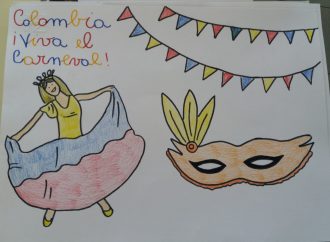
En Colombia hay dos carnavales importantes donde es evidente la compenetración de razas. CARNAVAL DE BARRANQUILLA El Carnaval de Barranquilla se celebra los cuatro días antes del Miércoles de Ceniza. Sus raíces se remontan a las ceremonias de las poblaciones precolombinas, las tradiciones de los colonos europeos y las fiestas de los esclavos africanos. En
CONTINUA A LEGGERE
Fin dalle epoche antiche i popoli, dai più barbari ai più civili, hanno dedicato un certo periodo dell’anno a manifestazioni di provvisoria ed allegra follia. Da ciò è nato il Carnevale. La parola deriva dal latino, carnem levare (eliminare la carne) perché indicava il banchetto che si teneva l’ultimo giorno di carnevale (martedì grasso) prima
CONTINUA A LEGGERETra le manifestazioni del culto cattolico restano ancora attuali le quarantore. Ma che cosa sono le quarantore? Sono una pratica devozionale consistente nell’adorazione per quaranta ore continue del Santissimo Sacramento visibile nell’ostensorio contenente Ostia consacrata. Secondo l’affermazione di San Paolo, ripresa nel “Credo” cristiano, l’intervallo temporale va dalle tre del pomeriggio di venerdì santo (morte
CONTINUA A LEGGERE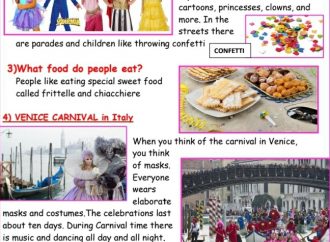
The English carnival is celebrated on 2 consecutive days and is held in the Notting Hill area (London). The protagonists of this event are people in masks, dancers, jugglers and musicians who dance and have fun along the streets of the neighborhood.In 1965 a group of migrants from the Caribbean began to organize these 2
CONTINUA A LEGGEREThe traditions of the Anglo-Saxon carnival are very far from the Italian, one which is connected to the beginning of Lent and ends with Shrove Tuesday. In England, after the schism of the Anglican Church, wanted by Henry VIII, the celebration of the period of Lent stopped and so the carnival party that preceded it
CONTINUA A LEGGEREThe Notting Hill Carnival, in West London, is the largest street festival in Europe and the biggest Caribbean festival outside of the Caribbean. It is held on the last weekend of August every year and it attracts nearly 1.5 million people. The Carnival starts on Saturday with a competition between steelpan bands. Sunday is Children’s
CONTINUA A LEGGERE




Periodico di informazione dell'I.C. "N.Iannaccone" di Lioni (AV)
via Ronca 11
83047 Lioni (AV)
+39 0827 42046
avic86000t@istruzione.it